
Overview
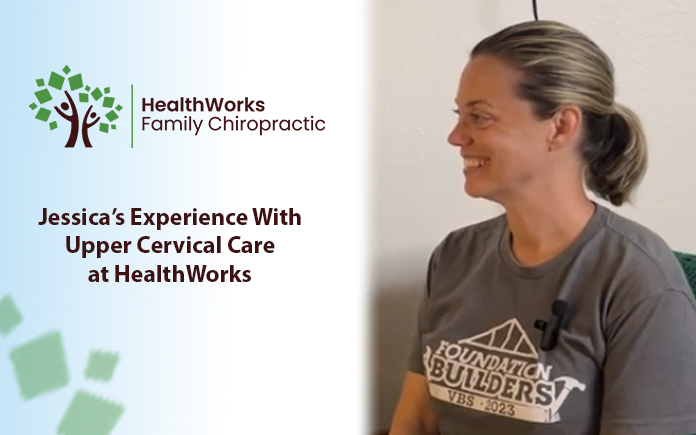
Jessica has been a patient at HealthWorks since 2021. She originally started care after a difficult period that left her feeling overwhelmed by symptoms and unsure where to turn next.
Jessica describes having a complex health background, including past Lyme-related concerns, mold and biotoxin illness, and autoimmune challenges. She also suspected connective tissue laxity, which can make the upper neck feel less stable. After a high-velocity adjustment elsewhere, she says it took about six weeks to connect the dots and realize the adjustment may have triggered a major flare and instability for her.
When Jessica found HealthWorks in Plano, Texas, she was looking for a more gentle, specific approach that focused on the upper cervical spine, especially the atlas and the upper neck mechanics that seemed to be driving her symptoms.
Video Testimonial

Why Jessica First Visited
Jessica’s “why” was not a single ache or pain. It was the way her whole system felt dysregulated, especially when her upper neck was irritated or unstable.
In her interview, Jessica described symptoms that affected daily life in multiple ways, including:
- dizziness and a sense of instability
- nervous system dysregulation, including episodes that felt like panic and anxiety
- changes in blood pressure and heart rate, including palpitations
- head and neck tension, stiffness, and protective muscle guarding
- sensations of pressure through the head and neck, sometimes radiating into the shoulders and arms
Jessica shared that she had already tried multiple approaches before coming to HealthWorks, including different chiropractic techniques and additional interventions, but she felt like things were still spiraling. She wanted a team that could understand the pattern, not just treat isolated symptoms.
What Stood Out During Her First Visits
A major turning point for Jessica was feeling understood.
She described how difficult it can be to look “fine” on the outside while struggling internally, especially when conventional testing does not always capture what you are feeling. Jessica emphasized that it mattered to find providers who could listen closely, recognize the pattern, and validate that what she was experiencing was real.
Jessica also shared that upper cervical care gave her a clearer framework for what was happening. She described her upper neck as being unusually sensitive, with certain motions capable of triggering a major flare. She even referred to her C2 area as the “Frankenstein bolt” because it could visibly protrude when things were irritated.
Over time, Jessica learned how precise upper cervical care, combined with consistency and patience, helped her body calm down instead of constantly bracing and reacting.
What Life Looked Like When Symptoms Were At Their Worst
Jessica did not describe this season as mildly uncomfortable. She described it as debilitating.
During the most difficult stretch, she shared that she could not drive for about 18 months. Daily tasks became exhausting and frustrating, including basic household responsibilities and caring for her kids. She even recalled injuring her back while sweeping because her body was compensating and guarding so intensely.
Jessica also explained that when her upper neck was “out,” the impact felt catastrophic for her. It was not a minor headache or a vague sense of being off. It could affect her ability to function, move comfortably, and stay present with her family.
Improvements Jessica Noticed Over Time
Jessica’s story is a long-term progress story. She described needing frequent care early on, then gradually holding alignment longer and building stability over time.
Here are the shifts she highlighted in her own experience:
- From feeling stuck in a cycle of dizziness, dysregulation, and flare-ups to feeling calmer and more stable in day-to-day life
- From not being able to drive for an extended period to driving again and feeling confident on the road
- From living in a “guarding mode” where her body constantly braced and tightened to moving more freely and comfortably
- From struggling to keep up with normal household tasks to being able to clean her home and manage daily responsibilities
- From avoiding travel and long outings to going on vacations, road trips, and returning to activities she loves
- From being limited in social situations to being able to spend longer periods with people without feeling overwhelmed by symptoms or fatigue
- From needing to come in two to three times per week in the beginning to coming in far less often as stability improved
Jessica also shared a specific in-the-moment experience that stood out to her: when symptoms flared and she came in for care, she could feel her body settle after an adjustment, as if the internal pressure released and her system could finally relax.
Where Jessica Is Now
Jessica described being in a completely different place today.
She shared that she can do most of what she wants to do again. While she still feels there may be a few remaining limitations related to ligament healing and long-term stability, the day-to-day difference has been significant.
Some of the “life is back” moments she mentioned include:
- driving, traveling, and going on road trips again
- taking care of her home without crashing afterward
- going to the movies and enjoying normal outings
- being able to sit and read books again
- exploring creative hobbies like embroidery, knitting, and sewing
- holding her arms and shoulders in position for longer periods without the same fatigue, pulling, or irritation
- having the energy and resilience to be fully present in conversations with family and friends
Jessica also shared that she now has a practical mental framework that helps her feel safer during flare-ups. Instead of spiraling into fear, she has a checklist of known irritants, and she knows there is a plan. That sense of predictability and support brought her peace, especially after years of feeling like symptoms could derail life at any moment.
Jessica’s Recommendation for Anyone Navigating Complex Symptoms
Jessica’s message is built around patience, self-trust, and finding the right team.
She encourages people to be patient with themselves and to ask for grace from the people supporting them. She also emphasized a point many people relate to: when something feels real in your body, it deserves to be taken seriously, even if it is difficult to explain or does not show up clearly in standard testing.
Jessica shared that she intentionally sought out a provider with advanced upper cervical focus and experience because she wanted careful decision-making, not guesswork. Even after moving farther away, she still drives over an hour to come to HealthWorks because, for her, the results and the support are worth it.
This testimonial reflects one patient’s experience. Results vary.